GITHUB LINKEDIN
SMART INDIA HACKATHON 2026 · DEFENCE / ROBOTICS & DRONES
PROBLEM ID · SIH26050 · HARDWARE

PHANTOM

HIGH ALTITUDE PERFORMANCE OPTIMIZATION & ROBUST DESIGN OF ANTI-DRONE SYSTEM

Interceptor Drone Based Response Concept. A robust interceptor architecture being developed around high-altitude flight, tracking, environmental awareness, health monitoring and controlled response.
TEAM 188DRDO / iDEXHARDWAREVY-1
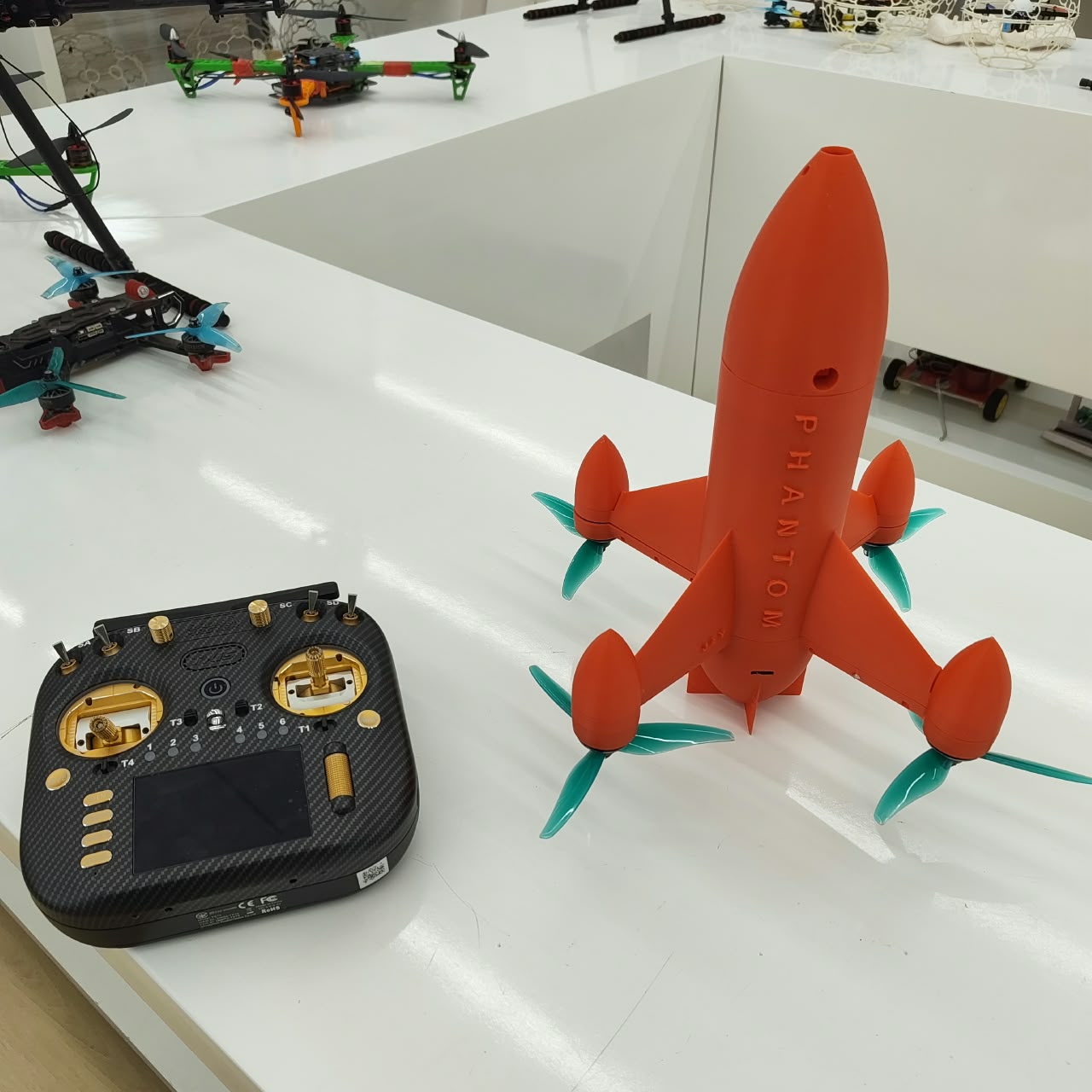
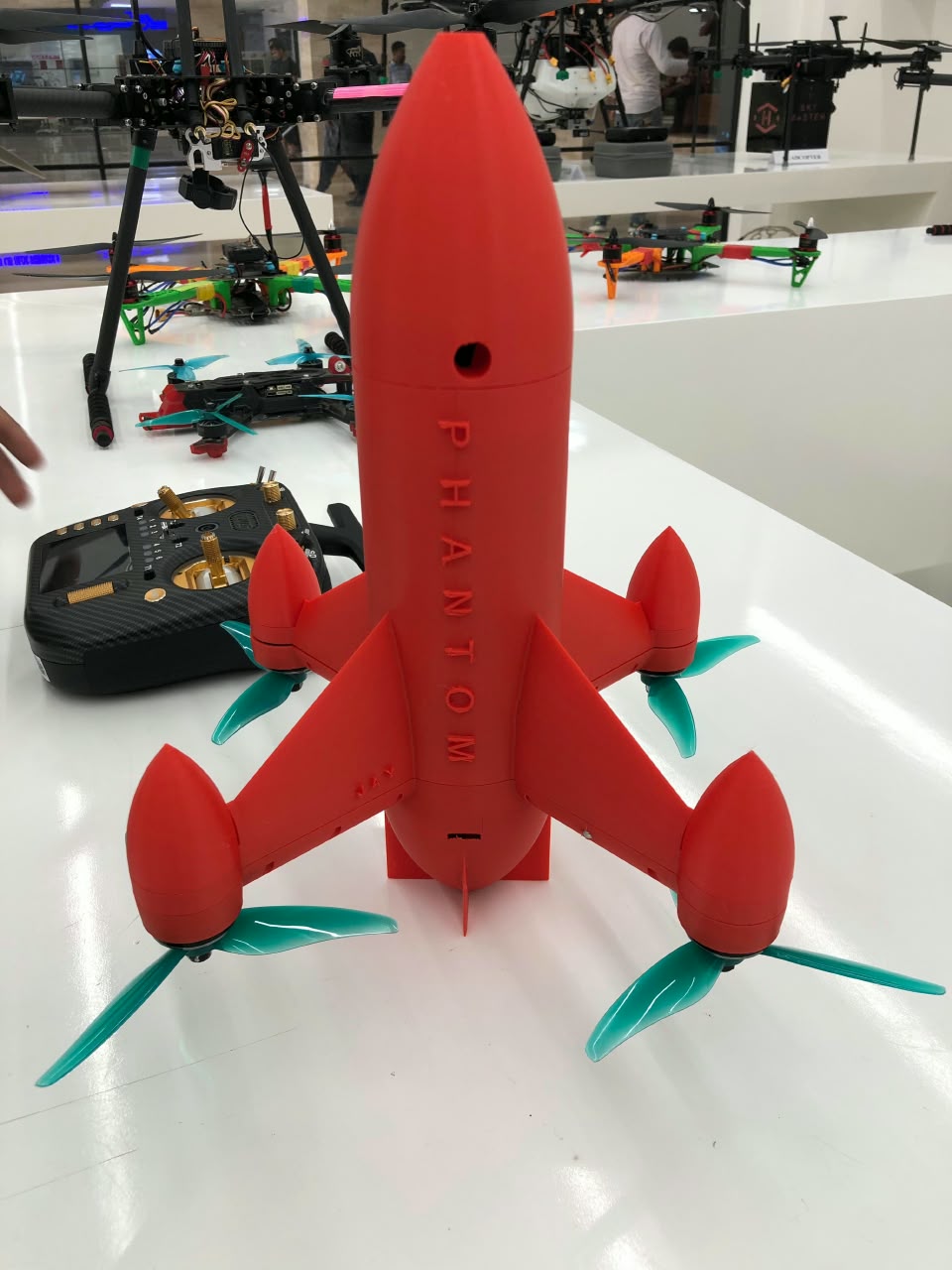
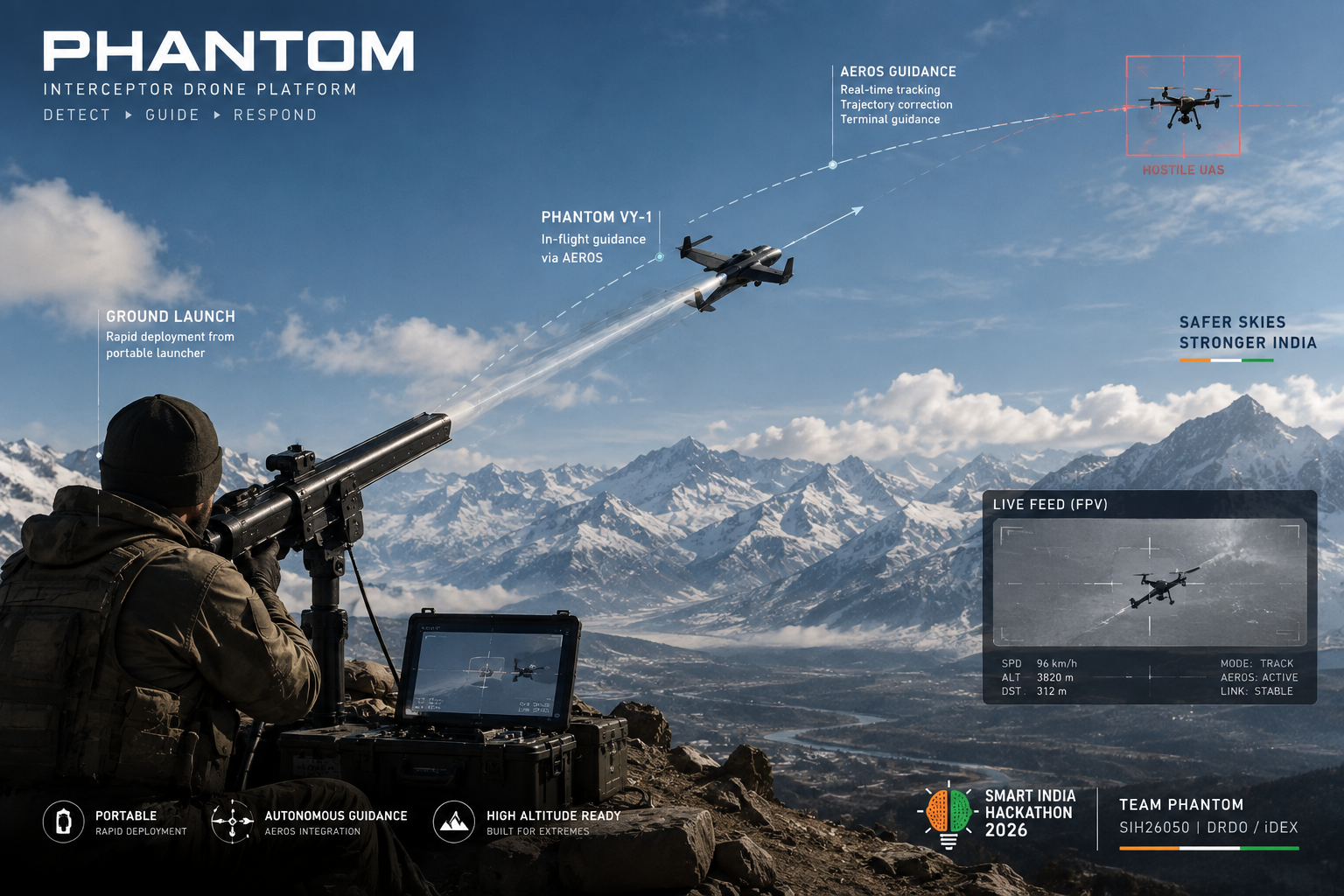
PHANTOM high-altitude interceptor visualization
BUILT FOR HIGHER GROUNDFROM PROTOTYPE → VALIDATION
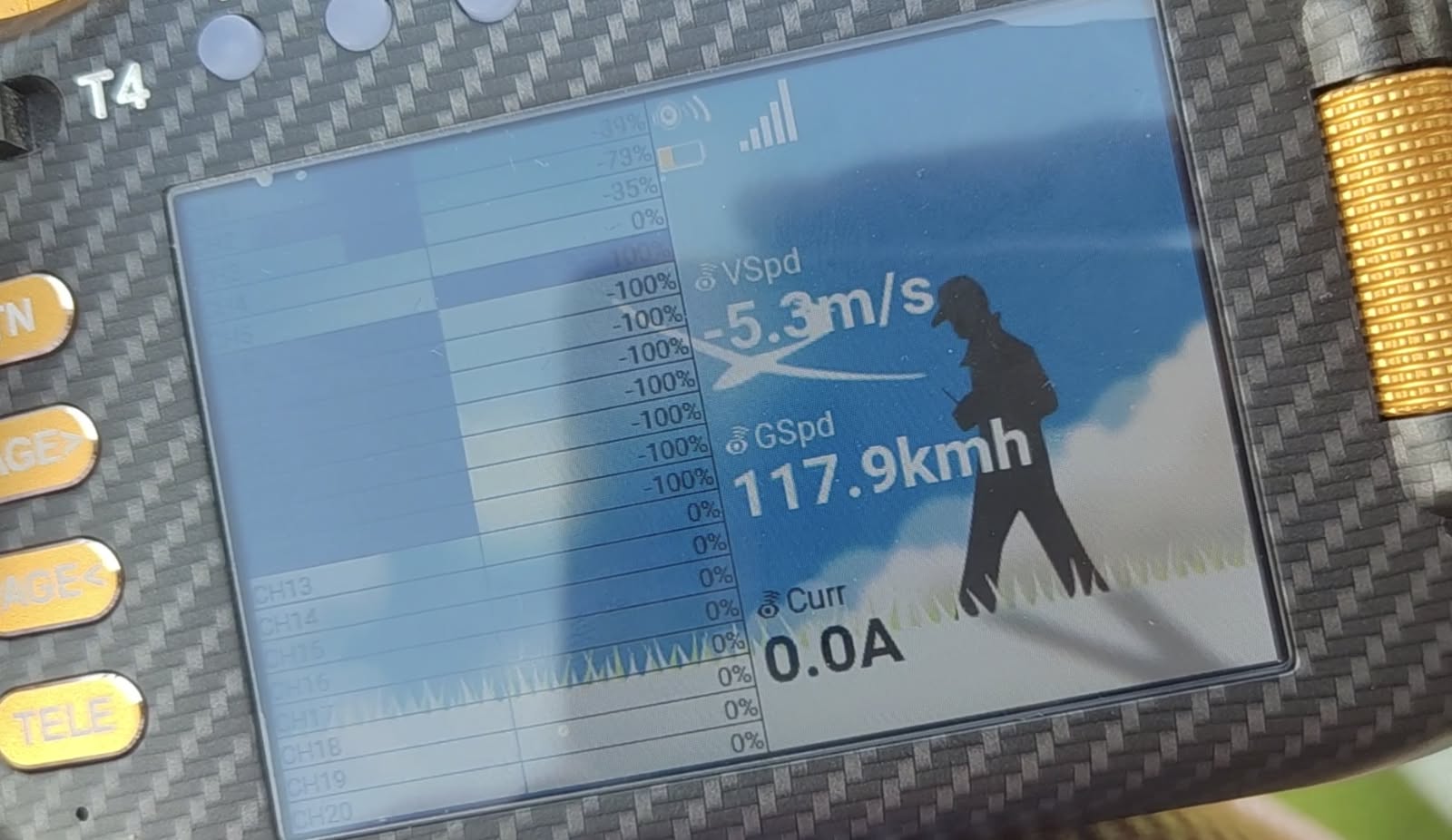
117.9
km/h · maximum tested speed
MEASURED
180
km/h · AirShaper simulation case
SIMULATION
VY-1
working physical prototype
DEVELOPED
LIVE
camera → VTX → FPV goggles
TESTED
₹15L
initial project funding
SECURED
01 // WHY THE THREAT IS CHANGING

THE THREAT
EVOLVED.
SO MUST THE RESPONSE.
FPV · FIBER-OPTIC · C-UAS
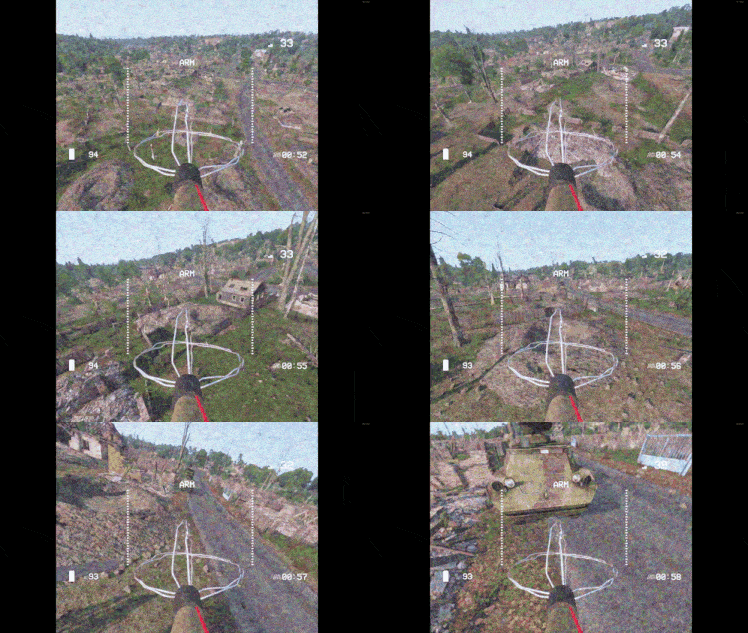
FPV target-impact footage
FPV THREAT Representative target footage supplied by the team
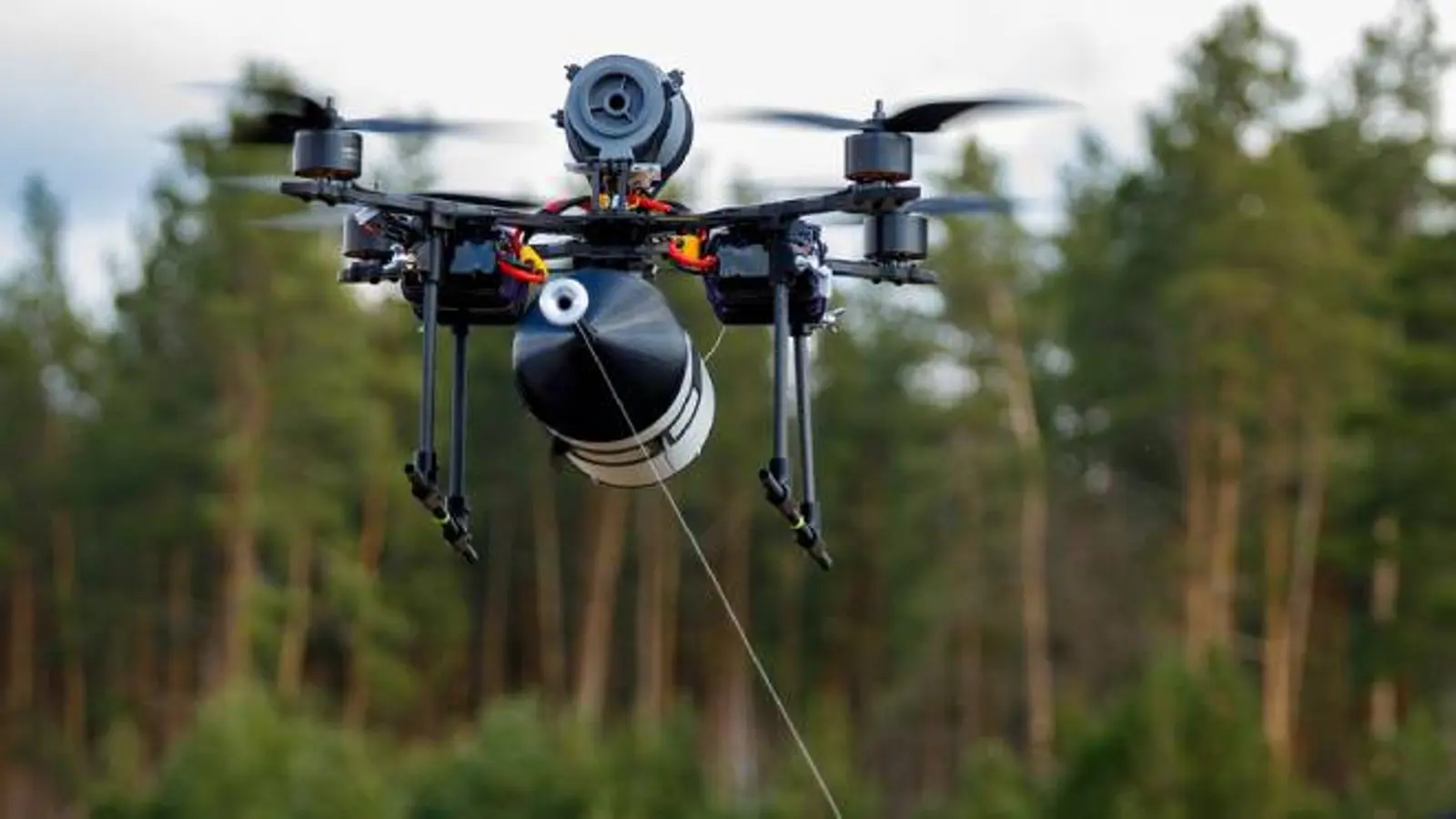
Fiber-optic drone
FIBER-OPTIC CONTROL Illustration of a fiber-linked FPV architecture
WHY THIS MATTERS

RF JAMMING IS NOT THE ONLY AXIS OF DEFENCE.

Some FPV threats can use fiber-optic control links, reducing dependence on a conventional RF control path. A counter-UAS architecture therefore benefits from a response layer that can detect, track and physically intercept the threat.

THREAT → RESPONSE
FPV / SMALL UASFast, low-cost, agile targets
FIBER-OPTIC FPVDifferent control-link assumptions
EO DETECTIONCamera-based target cueing
PHANTOMInterceptor response layer
01 // PROBLEM STATEMENT

THE ENVIRONMENT
CHANGES THE SYSTEM.

SIH26050 · HARDWARE
Core problem
The interceptor must remain controllable, track a target reliably and sustain mission performance despite high-altitude environmental disturbance.

The supplied SIH-aligned material identifies low air density, low temperature, wind, vibration and changing atmospheric conditions as drivers that can degrade propulsion, endurance, sensing, control and structural performance.

LOW AIR DENSITYPropulsion / aerodynamics
LOW TEMPERATUREBattery / material response
HIGH WINDDisturbance / stability
VIBRATIONState estimation / tracking
SENSOR DRIFTPointing / relative state
THERMAL CYCLINGStructure / electronics
Atmospheric density vs altitudeREFERENCE TREND · NOT TEST DATA
ALTITUDEHIGHERρ
Use this as an engineering relationship visual. Replace with actual simulation / test data as qualification data becomes available.
WHAT THE CHALLENGE DEMANDS
Stable flightRobust flight-control architecture
Reliable navigationGNSS / state estimation
Target trackingEO camera + relative tracking
Environmental awarenessTemperature / health sensing
Adaptive responseGuidance + compensation
ValidationStress tests + representative trials
02 // RISK VS RESPONSE

TURN EACH FAILURE MODE
INTO AN ENGINEERING TASK.

JUDGE-READY MAPPING
Low air densityChanged propulsion / aerodynamic margin
↔
Aerodynamic characterizationAirShaper + propulsion testing + geometry iteration
Low temperatureBattery / material behaviour changes
↔
Thermal hardening pathComponent selection + qualification + monitoring
Wind + vibrationAttitude and pointing disturbance
↔
Robust control loopStabilization + tuning + representative test
Tracking degradationRelative target state can become inconsistent
↔
EO + state estimationCamera tracking + GNSS / IMU fusion
Subsystem faultsPower / electronics can reduce mission margin
↔
Health monitoringVoltage + current + temperature + telemetry
03 // TECHNICAL APPROACH

SENSE → ESTIMATE
→ GUIDE → RESPOND

HARDWARE + SOFTWARE
1 · TARGET DETECTIONEO camera / visual cue
2 · TARGET TRACKINGComputer vision path
3 · STATE ESTIMATIONGNSS / IMU
4 · GUIDANCE & CONTROLStable bounded commands
5 · PHANTOM RESPONSEInterceptor flight platform
ENVIRONMENT MONITORING → HEALTH ASSESSMENT → ADAPTIVE COMPENSATION → CONTROL LOOP
AI / EDGE COMPUTINGJetson-class edge compute · onboard vision development
FLIGHT CONTROLSpeedyBee + IMU · stabilization / control loops
NAVIGATIONGNSS / INS · state estimation
EO TRACKINGCamera · OpenCV development path
PROPULSIONESC + motors · thrust authority
POWERBattery monitoring · energy management
TELEMETRYVTX live feed · FPV goggles · mission status
HEALTHVoltage · current · temperature · subsystem state
04 // PROTOTYPE + PROOF OF WORK

NOT A CONCEPT.
A PHYSICAL PLATFORM.

VY-1 · ACTIVE DEVELOPMENT
05 // SIMULATION + DIGITAL ENGINEERING

MODEL IT.
SIMULATE IT.
THEN FLY IT.
AIRSHAPER · EXTERNAL FLOW
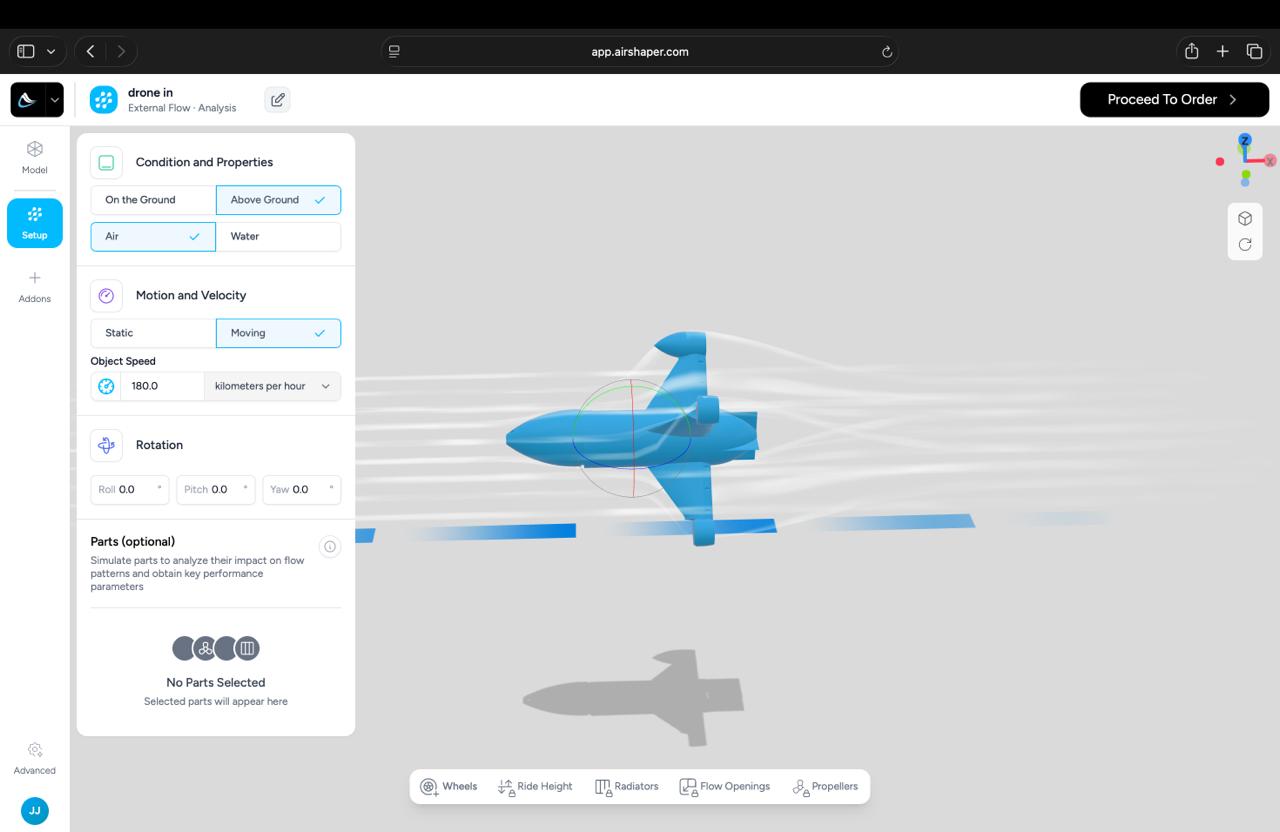
Actual AirShaper external-flow simulation screenshot
180 km/hSimulation case shown
AIRExternal-flow medium
MOVINGMotion enabled
ITERATIONEngineering insight
DATA DISCIPLINE: 180 km/h is the simulation input visible in the supplied screenshot. It is not the measured flight result. Physical VY-1 testing is 117.9 km/h.
FLOW VISUALIZATION
Velocity + streamlines

Embed actual exported AirShaper flow fields here as they are generated.

AERODYNAMIC OUTPUTS
Pressure + force data

Keep coefficient values blank until the simulation generates defensible results.

DIGITAL LOOP
CAD → CFD → iterate → test

A visible engineering chain from model to real flight validation.

06 // PERFORMANCE VALIDATION

MEASURED.
SIMULATED.
TARGETED.

KEEP THE DATA HONEST
PHYSICAL FLIGHT TEST
117.9
KM/H · MAXIMUM TESTED SPEED
MEASURED

The supplied project material records 117.9 km/h as the maximum tested speed of the VY-1 chassis.

THREE DIFFERENT DATA TYPES
VY-1 · physical test117.9 km/h
AirShaper · simulation case180 km/h
V2 · design objective140+ km/h
The bars are categorical, not a normalized performance comparison. They distinguish measured, simulation input and future target.
07 // FEASIBILITY · VIABILITY · IMPACT

WHY THE SYSTEM
MATTERS.

FROM HARDWARE → HIGHER READINESS
MOBILITY
Mobile interceptor response

A physical platform intended to extend a wider counter-UAS detection-and-response architecture.

ROBUSTNESS
Altitude as a design variable

Environmental disturbance is treated as an engineering problem across propulsion, structure, sensing, control and health.

MODULARITY
Iterate one failure mode at a time

A modular platform supports staged qualification and future sensing upgrades.

FEASIBILITY

VY-1
  • Physical airframe exists
  • In-house prototyping / iteration
  • AirShaper simulation path
  • Current flight testing

VIABILITY

₹15L
  • Initial project funding secured
  • Hardware-first development
  • Modular COTS integration
  • Path to representative validation

IMPACT

6×
  • Stable flight
  • Reliable navigation
  • Tracking consistency
  • Health monitoring
  • Environmental awareness
  • System validation
IMPACT & BENEFITS
1
HIGH-ALTITUDE RELIABILITYReduce performance degradation caused by harsh environmental conditions.
2
CONSISTENT TARGET FOLLOWINGMaintain reliable relative-state information during interceptor motion.
3
CONTINUOUS HEALTH AWARENESSObserve power, temperature and subsystem health for mission reliability.
4
MODULAR COUNTER-UAS INTEGRATIONDevelop the interceptor as a node within a larger detection-and-response architecture.
5
SIMULATION-LED ITERATIONConnect digital aerodynamic analysis with physical test cycles.
6
PATH TO HIGHER READINESSV1 hardware → V2 robustness → future sensor fusion and networked architecture.
08 // DEPLOYMENT CONCEPT

DETECT → CUE
→ DEPLOY → TRACK.

CONCEPTUAL RESPONSE FLOW
Conceptual PHANTOM deployment and tracking visual
Concept visualization only. It illustrates a deployment-and-tracking workflow and is not evidence of a tested launch mechanism.
09 // ROADMAP

FROM WORKING AIRFRAME
TO ROBUST PLATFORM.

V1 → V5
V1 · CURRENT

WORKING PROTOTYPE

Physical VY-1, 117.9 km/h tested speed, camera / VTX tracking and current flight stack.

V2 · NEXT

HIGH-ALTITUDE ROBUSTNESS

Thermal hardening, adaptive tuning, environmental monitoring and representative higher-altitude validation.

V3 · FUTURE

MULTI-SENSOR FUSION

Additional airborne sensing combined with EO for improved state awareness.

V4 · FUTURE

RADAR + EO

Radar integration is positioned as a future upgrade, not a current claim.

V5 · FUTURE

NETWORKED PLATFORMS

Longer-term multi-agent and distributed detection / response research.

10 // RESEARCH + REFERENCES

ENGINEERING
BACKED BY EVIDENCE.

SOURCE DISCIPLINE
SIH 2026 · SIH26050Problem framing, required outcomes, high-altitude challenge and validation direction used throughout the site.
TEAM PHANTOM · IN-HOUSE TEST DATAVY-1 physical prototype, 117.9 km/h tested speed, camera / VTX tracking and development evidence.
AIRSHAPER EXTERNAL-FLOW ANALYSISUploaded simulation setup showing a moving-air case at 180 km/h.
DATA STATUS CONVENTION
MEASUREDPhysical test evidence
SIMULATIONDigital model / case input
TARGETDesign objective / next phase
NOT CLAIMEDNot shown until evidenced
TEAM PHANTOM · TID 188 · SIH26050

WE ARE NOT STARTING
FROM THE PROBLEM.
WE ARE ALREADY
BUILDING THE SOLUTION.

From aerodynamic simulation to physical flight, PHANTOM is building the interceptor platform and engineering the robustness required for harsh high-altitude conditions.

VY-1 PHYSICAL PROTOTYPE117.9 KM/H MEASUREDLIVE VTXHIGH-ALTITUDE FOCUS
LOCAL MEDIA SOURCE: assets/ · eg.png deployment visual · inter.jpeg VY-1 prototype · sim.jpeg AirShaper simulation · kill.gif FPV footage · opticaldrone.webp fiber-optic drone · lau.gif launch test · speed.jpeg speed proof